





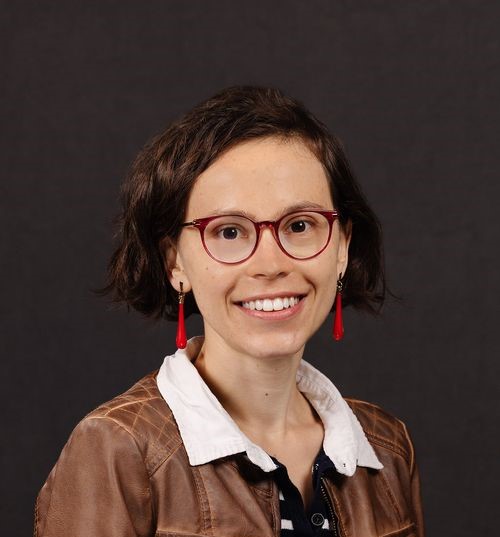
Marie-Laure Charpignon
Marie-Laure Charpignon has been appointed to a Junior Professor Chair in pharmacoepidemiology and causal inference at the Faculty of Health Sciences of Sorbonne Université. She joins the PÉPITES team, led by Professor Florence Tubach (Pitié-Salpêtrière).
Her research integrates methods from causal inference, statistical learning, and network science with large-scale observational data to evaluate the effects of pharmaceutical interventions, social policies, and exogenous shocks on health and health-related behaviors, with a particular focus on aging and vulnerable populations.
She earned her PhD in Social & Engineering Systems and Statistics from the Massachusetts Institute of Technology, her MSc in Computational and Mathematical Engineering from Stanford University, and her BSc in Engineering Sciences from École Centrale Paris. Her doctoral research investigated the potential of repurposing antidiabetic and antihypertensive medications to prevent or delay the onset of Alzheimer’s disease and related dementias, through the emulation of target trials and the retrospective analysis of electronic health records from the United States and the United Kingdom.
Before her PhD, she worked as a data scientist at Microsoft Education, where she examined the role of technology use and digital collaboration in academic performance, socio-emotional development, and student well-being. This experience reinforced her commitment to research and teaching and fostered a sustained interest in data-driven decision-making for social impact.
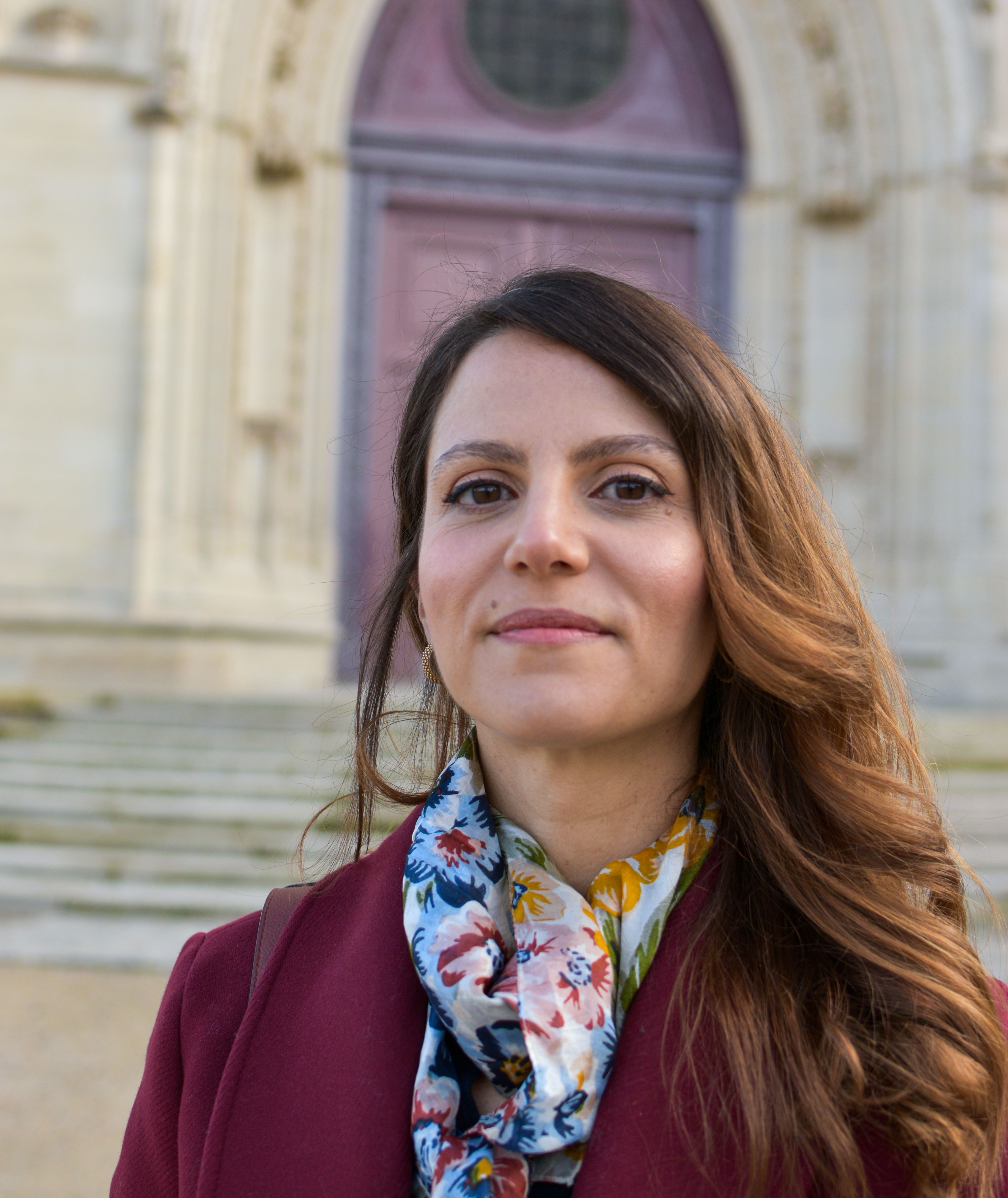
Giovanna Fancello
Giovanna Fancello holds a Junior Professorship Chair in Environmental Epidemiology and Health Geography at the Faculty of Health of Sorbonne University with the project “HEPI-GLO: Health Geography and Geo-epidemiology in a Climate-Changing World.”
Her work integrates environmental and spatial epidemiology to understand the impact of environmental exposures – including climate change hazards, air and noise pollution, and urban structure – on health, particularly among vulnerable populations. She holds a PhD in Urban Planning (2014) and began her research on territorial inequalities and decision-support for urban public policies at DADU-UNISS (Italy) and at the CNRS laboratory LAMSADE (Paris-Dauphine), before shifting her focus to health geography and environmental epidemiology (CNRS, Géographie-Cités laboratory).
In 2020, she joined the NEMESIS team at the Pierre Louis Institute of Epidemiology and Public Health, where she has contributed to and led several projects on the effects of living environments and urban mobility on the physical, mental, and cognitive health of older adults and patients with multiple sclerosis and neurodegenerative diseases. Since 2023, she has initiated a research line on the health impacts of climate change on vulnerable urban populations. She has secured two grants to study the effects of heatwaves on multiple sclerosis relapses: one from the Fondation de France and another from IReSP to explore the mediating role of air pollution. A third project was funded in 2024 through the “Climate Change and Health” Booster Program by Inserm to investigate the effects of heatwaves on the risk of hospitalization and mortality among populations affected by Alzheimer’s disease, Parkinson’s disease, and Lewy body dementia.